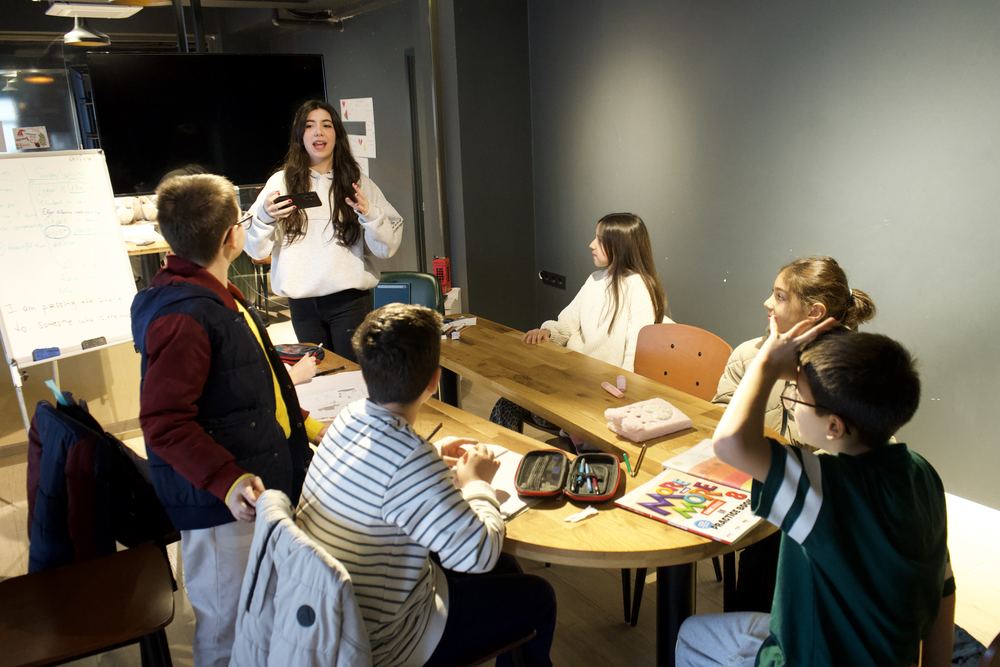
Foreign Instructors
Learn from native English-speaking instructors with international teaching experience
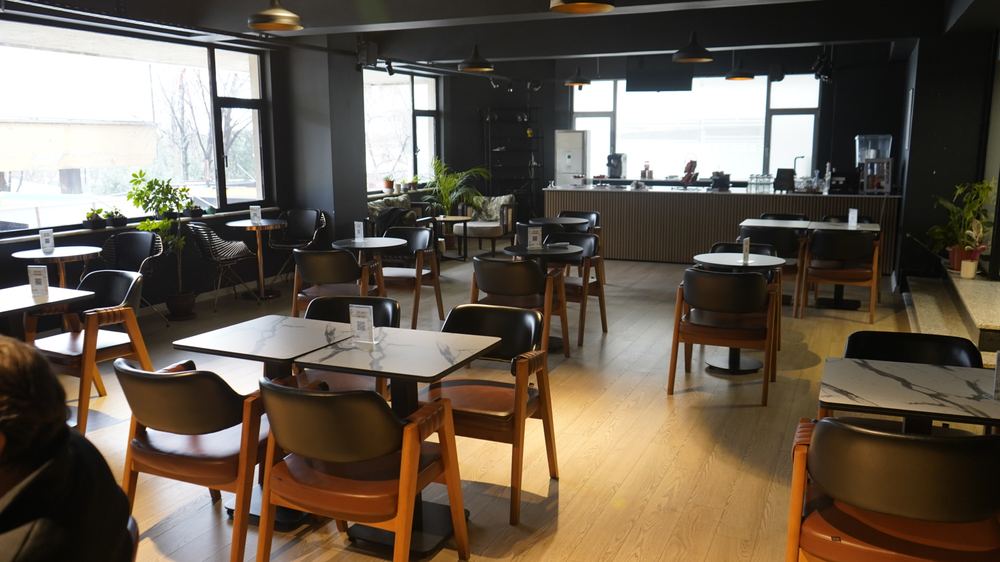
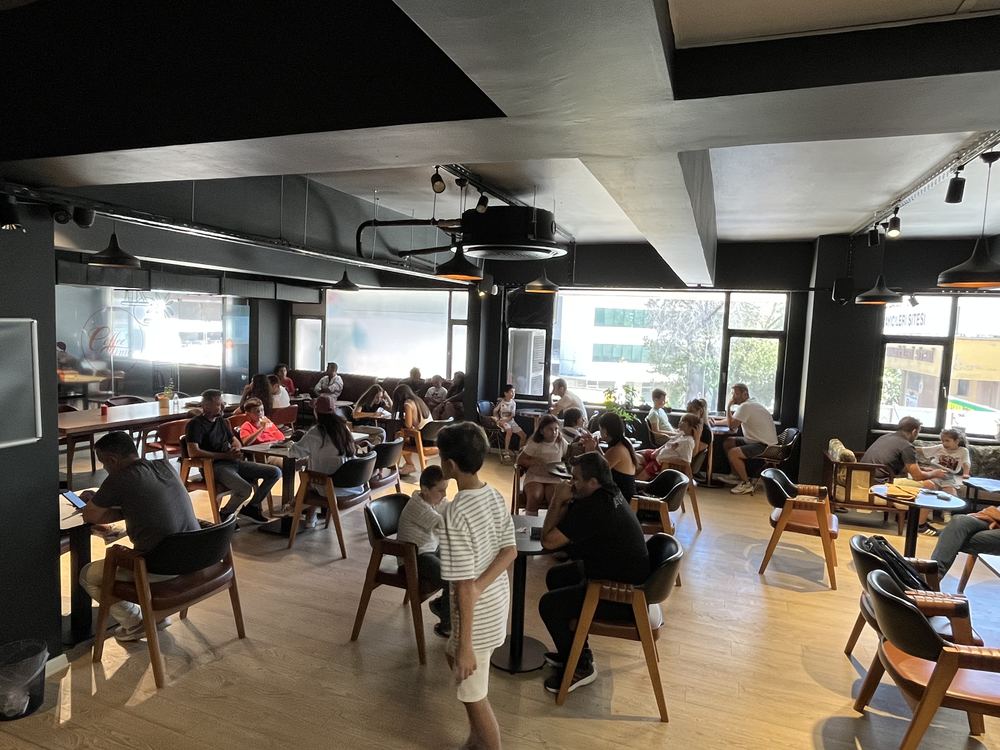
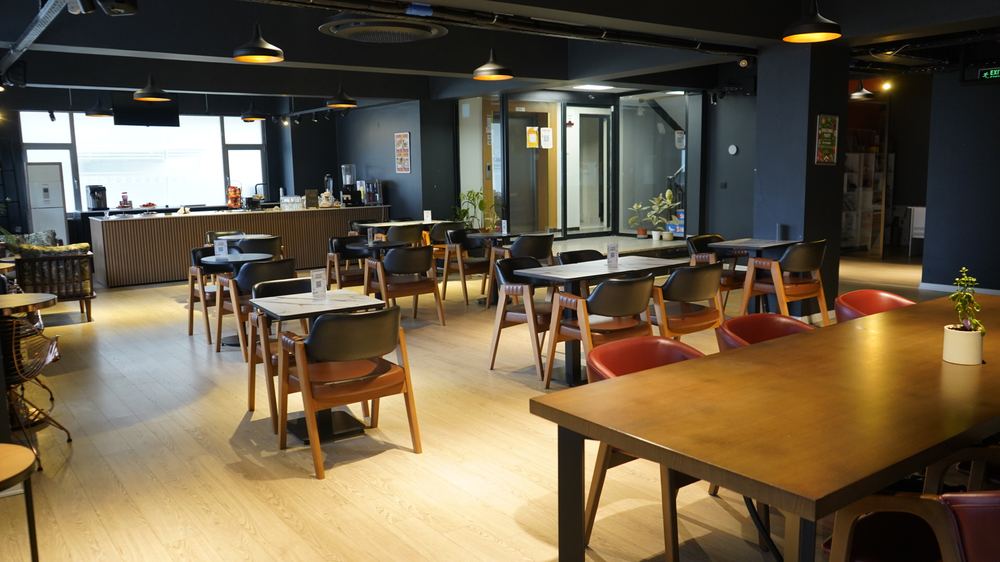
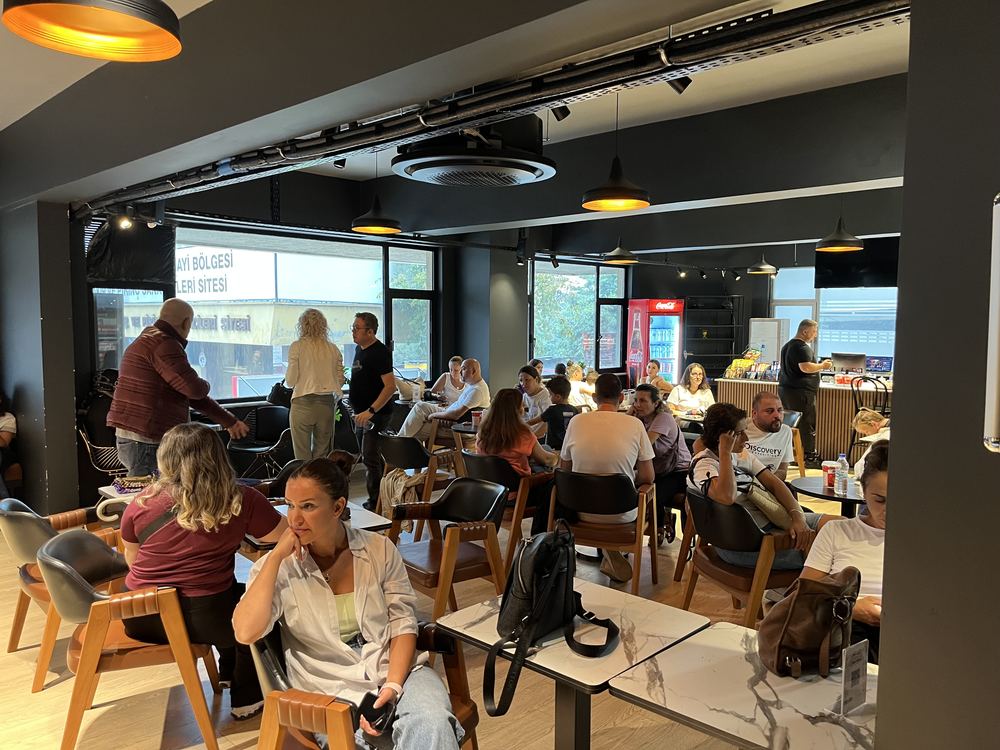
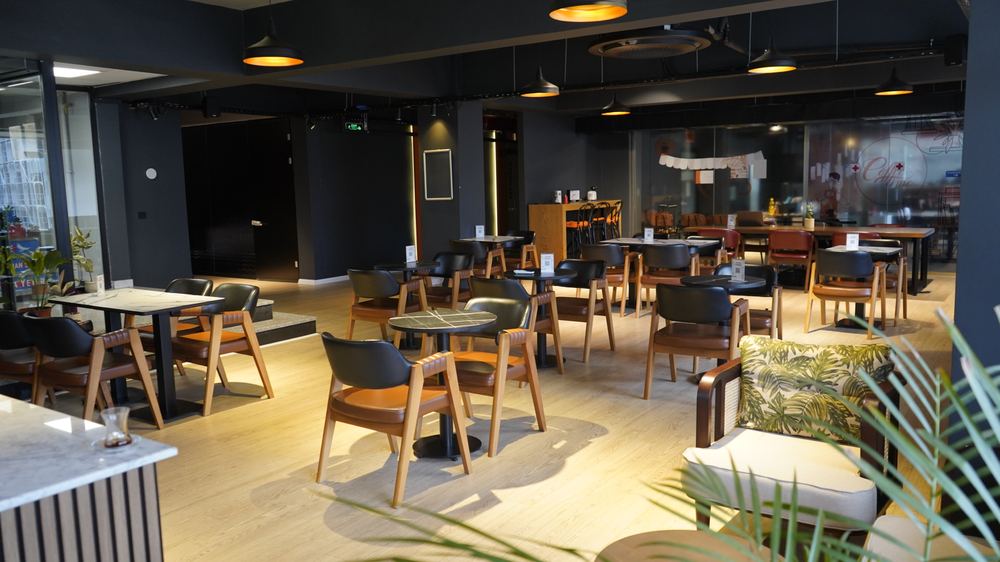
Join our online and cafe-based English speaking clubs. Practice with native speakers in small, friendly groups.
Everything you need to get fluent in speaking English
Learn from native English-speaking instructors with international teaching experience
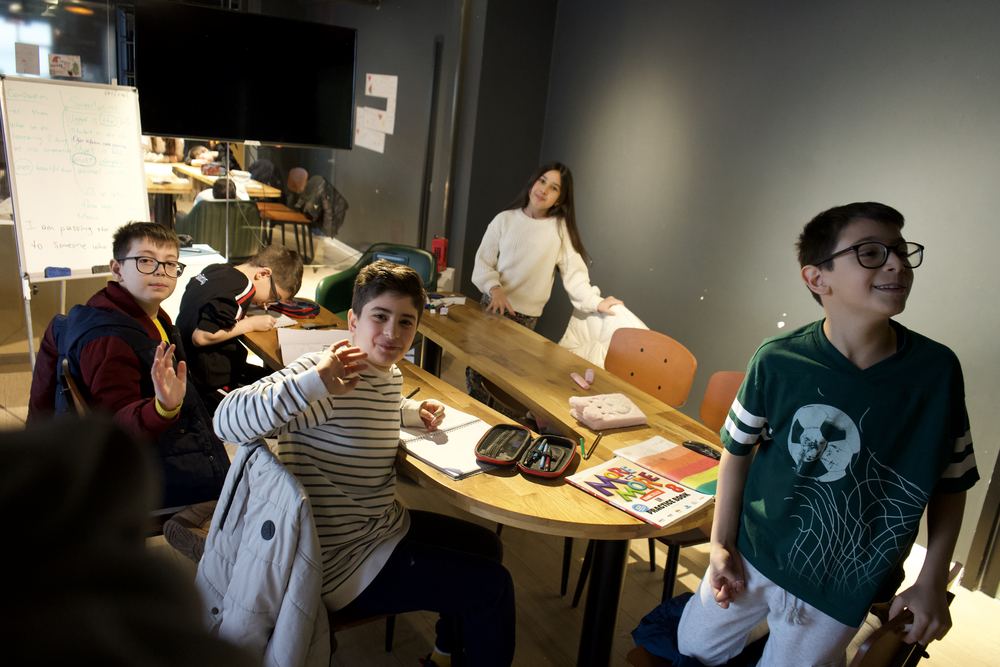
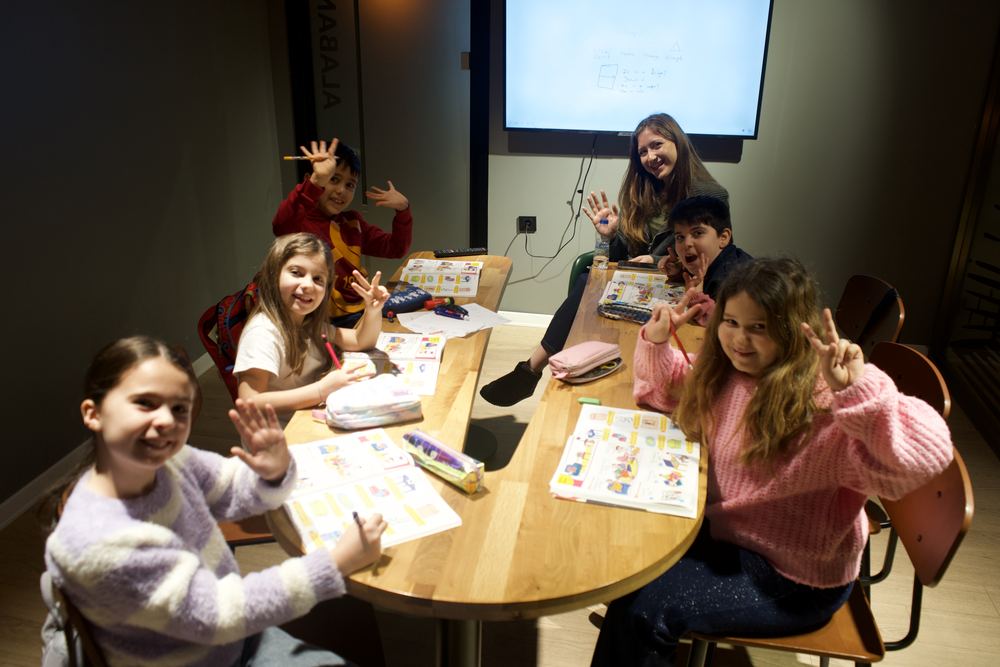
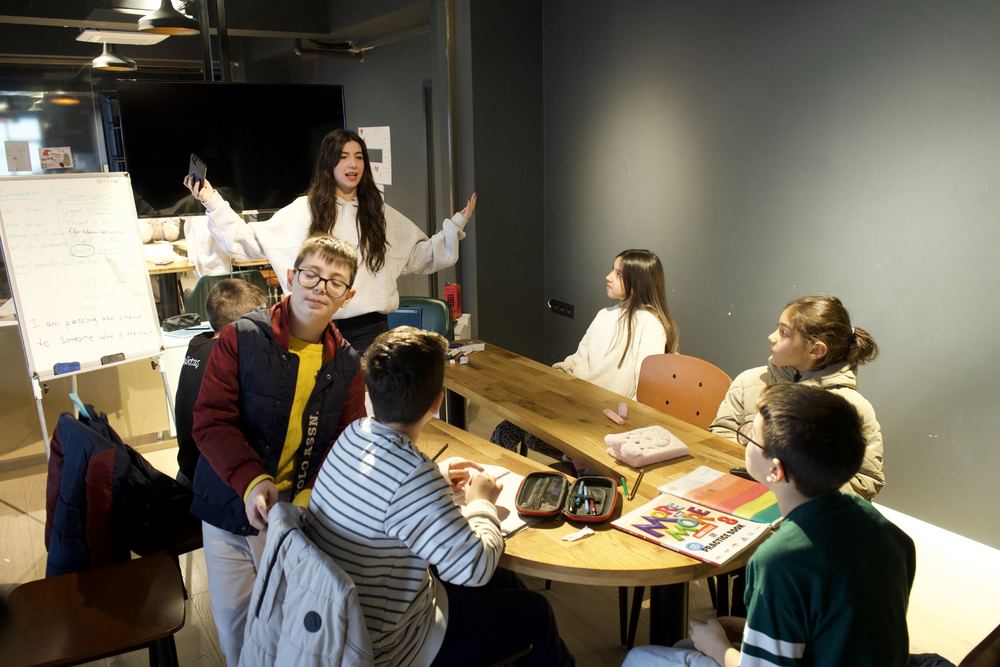
Exclusive small groups for maximum attention and personalized learning experience
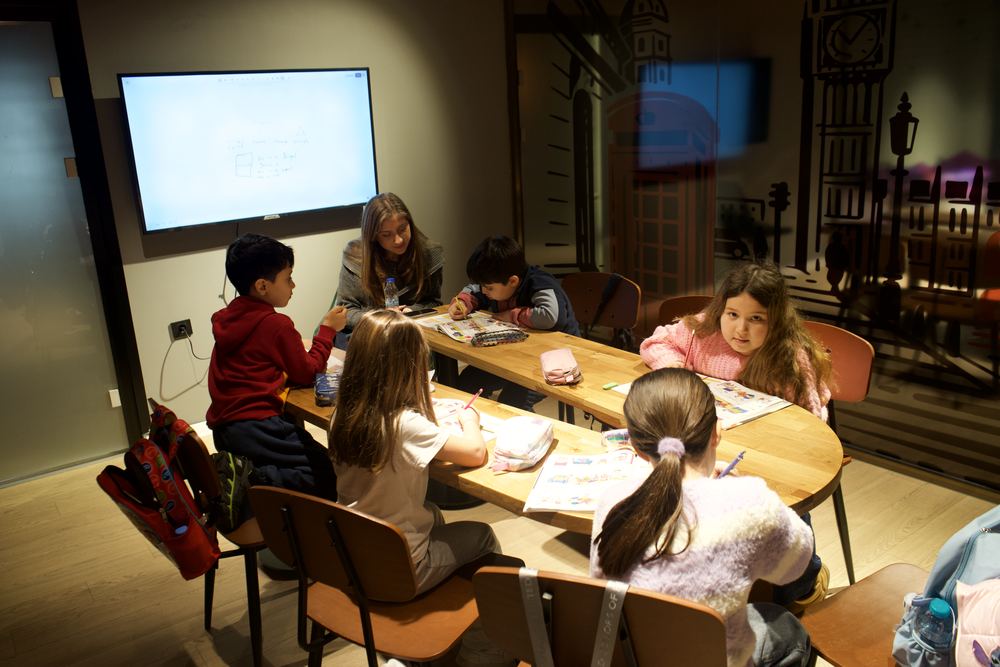
Customized learning paths designed specifically for your goals and level
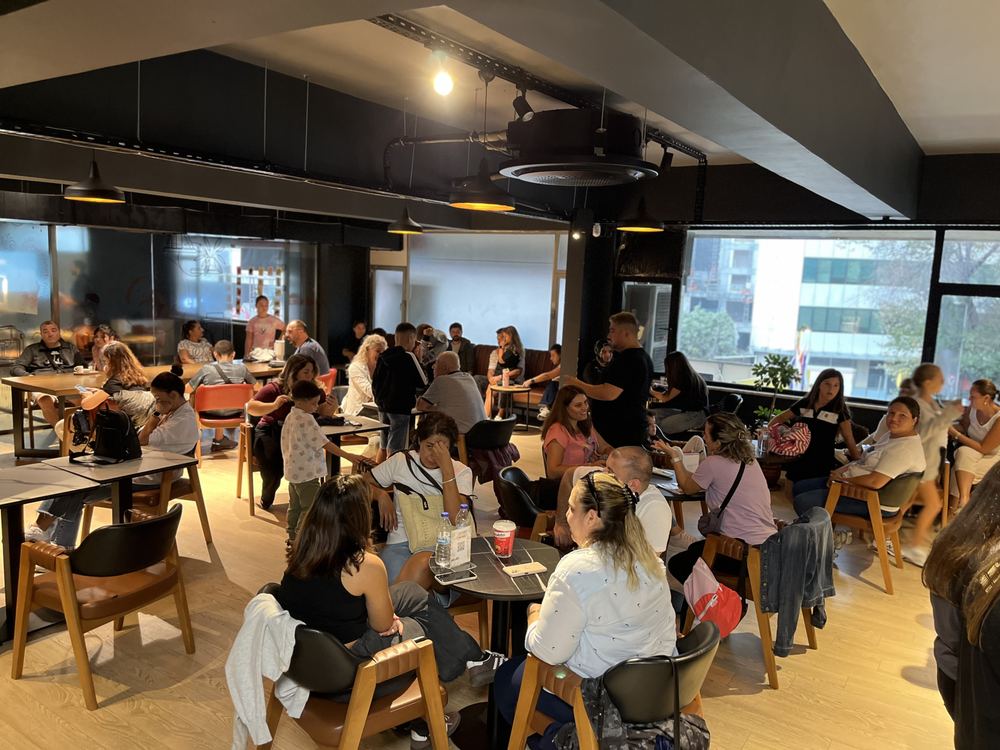
Engage in fun social events and activities while practicing your English
Choose the plan that fits your learning style
Linguru şubede yüz yüze grup İngilizce dersi (4-6 kişi): 1 ay taahhüt, haftada 1 gün (2 ders/hafta), toplam 8 ders. Paket tutarı 3.600 ₺.
2 sessions/week · 1 month
Linguru şubede yüz yüze grup İngilizce dersi (4-6 kişi): 1 ay taahhüt, haftada 2 gün (4 ders/hafta), toplam 16 ders. Paket tutarı 6.500 ₺.
4 sessions/week · 1 month
Linguru şubede yüz yüze grup İngilizce dersi (4-6 kişi): 1 ay taahhüt, haftada 3 gün (6 ders/hafta), toplam 24 ders. Paket tutarı 9.000 ₺.
6 sessions/week · 1 month
çocuk grubu yaz kampı bir aylik paket
4 sessions/week · 1 month
çocuk grubu yaz kampı iki aylik paket
4 sessions/week · 2 months
çocuk grubu yaz kampı üç aylik paket
4 sessions/week · 3 months
Choose the learning style that fits you best
Age-appropriate programs designed to make learning English fun and engaging
Learn More About Kids ProgramsLearn from experienced native speakers and certified language instructors

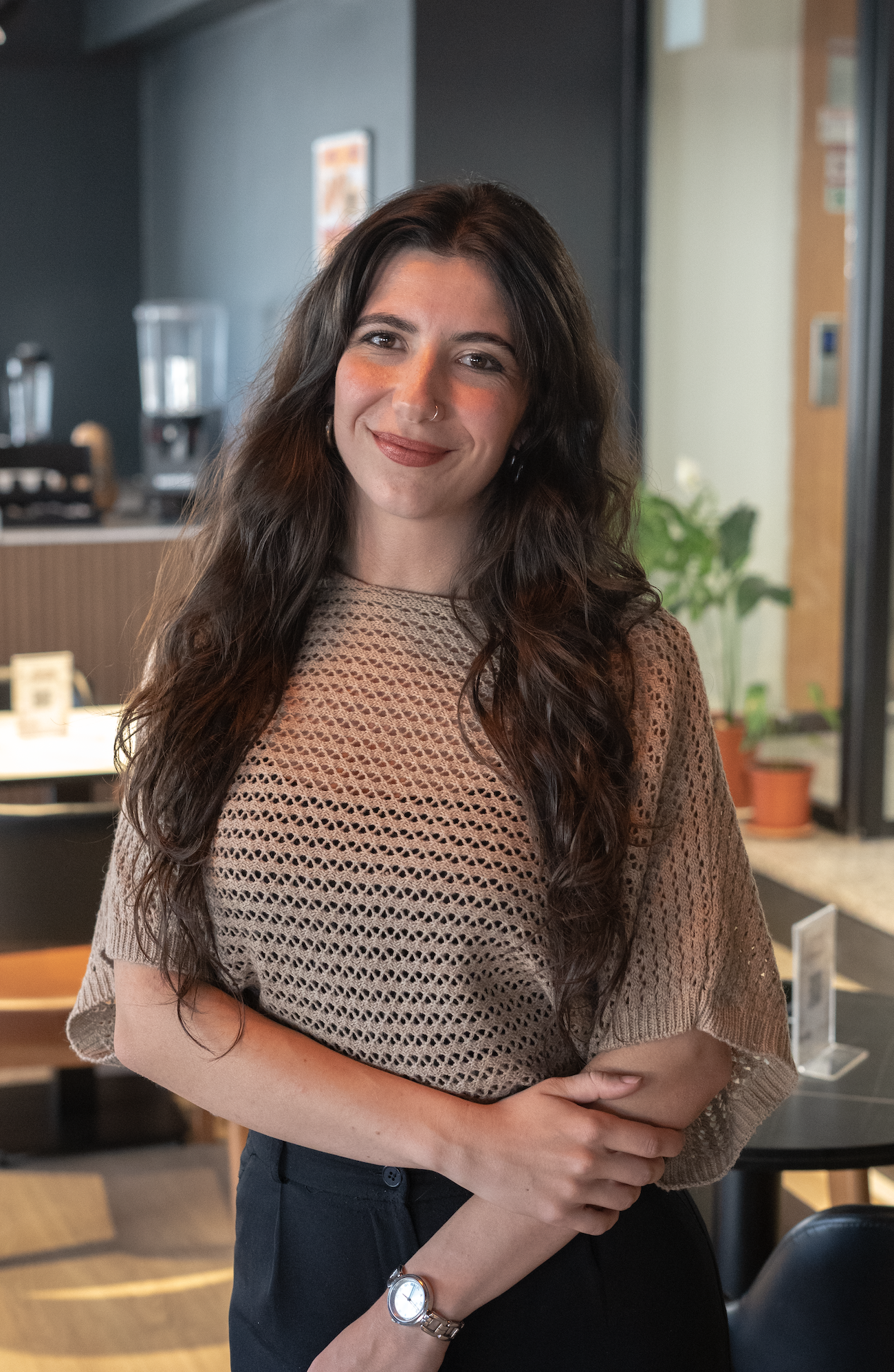
Senior English Instructor
Ayham has spent a decade helping learners build real-world English fluency—from survival phrases to confident presentations. He focuses on clear pronunciation, practical vocabulary, and culturally aware communication.
Tips, insights, and resources to enhance your English learning journey
Will mi, Going to mu? İngilizce Gelecek Zaman Rehberiİngilizcede gelecekten bahsederken en çok karıştırılan iki yapı "Will" ve "Going to"dur. Her ikisi de Türkçeye "-ecek, -acak" olarak çevrilse de, kullanım mantıkları birbirinden farklıdır. İşte Linguru öğrencileri için hazırladığımız pratik rehber!🔵 Ne Zaman "WILL" Kullanmalıyız?Will, genellikle o anda verilen kararları veya kişisel tahminleri ifade eder.1. Konuşma Anında Verilen KararlarBir plan yapmadınız, o an bir durum gelişti ve karar verdiniz.Örnek: "The door is knocking. I will open it."(Kapı çalıyor. Ben bakarım/bakacağım.)2. Geleceğe Dair Tahminler (Kişisel Görüş)Elinizde somut bir kanıt yoksa, sadece öyle olduğunu düşünüyorsanız "will" kullanırsınız.Örnek: "I think it will be a great party."(Bence harika bir parti olacak.)3. Söz Verme ve TekliflerBirine yardım teklif ederken veya söz verirken "will" en doğru tercihtir.Örnek: "Don't worry, I will help you with your homework."(Korkma, ödevinde sana yardım edeceğim.)🟢 Ne Zaman "GOING TO" Kullanmalıyız?Going to, önceden planlanmış eylemler ve belirtisi olan durumlar için kullanılır.1. Önceden Yapılmış Planlar ve NiyetlerEğer bir şey için önceden hazırlık yaptıysanız veya kararınızı çoktan verdiyseniz bu yapıyı kullanın.Örnek: "I am going to fly to London tomorrow."(Yarın Londra'ya uçacağım - Biletim hazır, planım belli.)2. Güçlü Kanıtı Olan TahminlerGözünüzle gördüğünüz bir belirti varsa (örneğin kara bulutlar), "going to" kullanılır.Örnek: "Look at the black clouds! It is going to rain."(Şu kara bulutlara bak! Yağmur yağacak - Yağacağı bulutlardan belli.)💡 Pratik Karşılaştırma Listesi (Özet)Web sitende bu bölümü renkli kutucuklar veya ikonlarla ayırarak sunabilirsin:Plan var mı? ➡ Going to ✅Anlık bir fikir mi? ➡ Will ⚡Gözle görülür kanıt var mı? ➡ Going to ☁️Sadece bir tahmin mi? ➡ Will 🧠Birine söz mü veriyorsun? ➡ Will 🤝
Read More →One main idea per paragraph, then support, then a short example.
Read More →Choose your strategy before you read—different goals need different speeds.
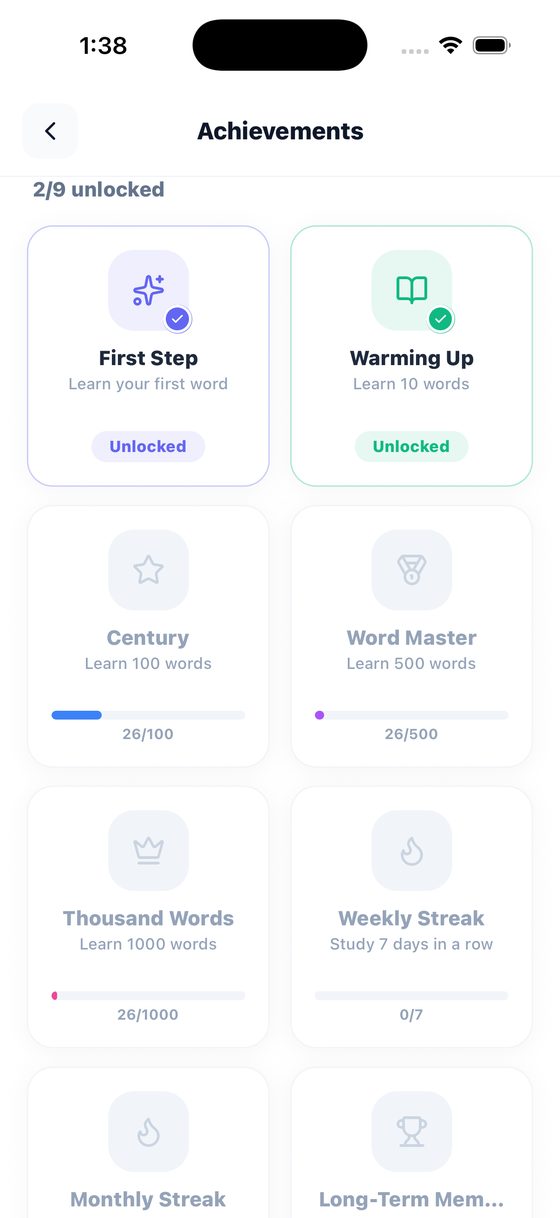
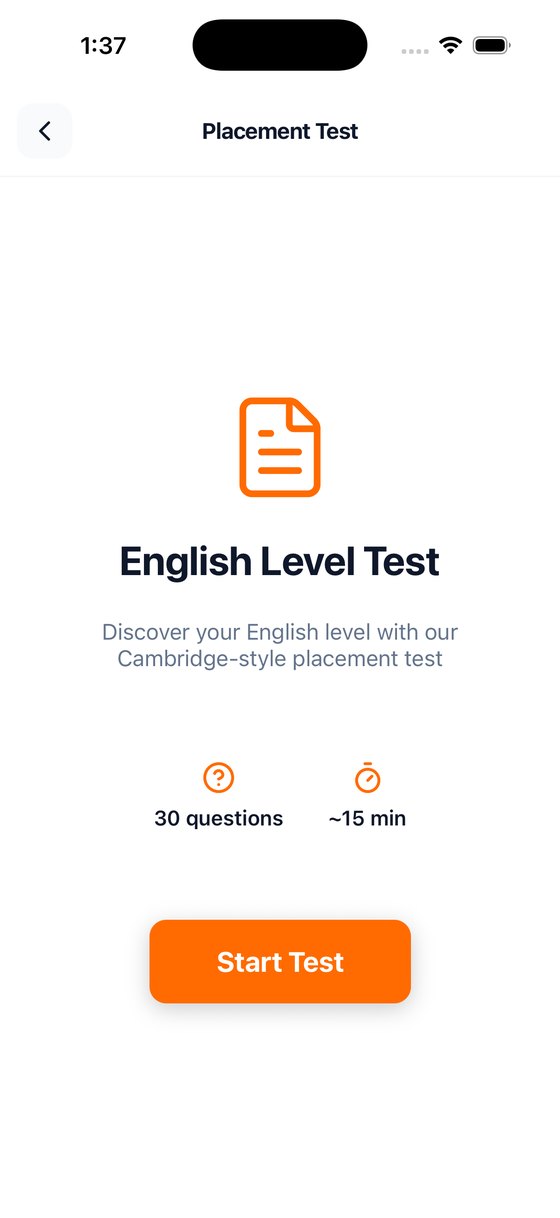
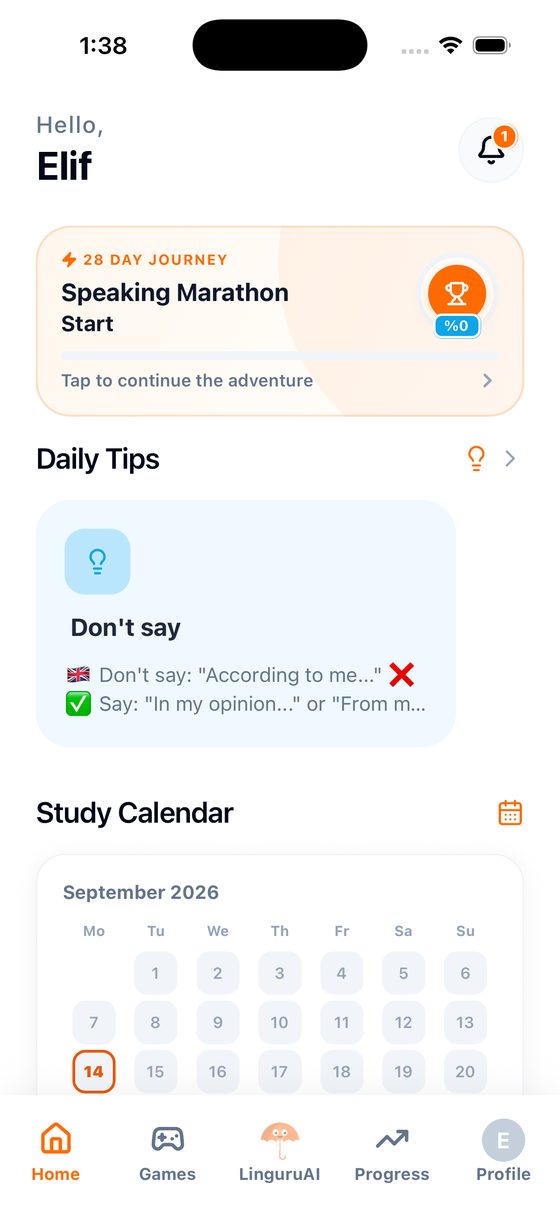
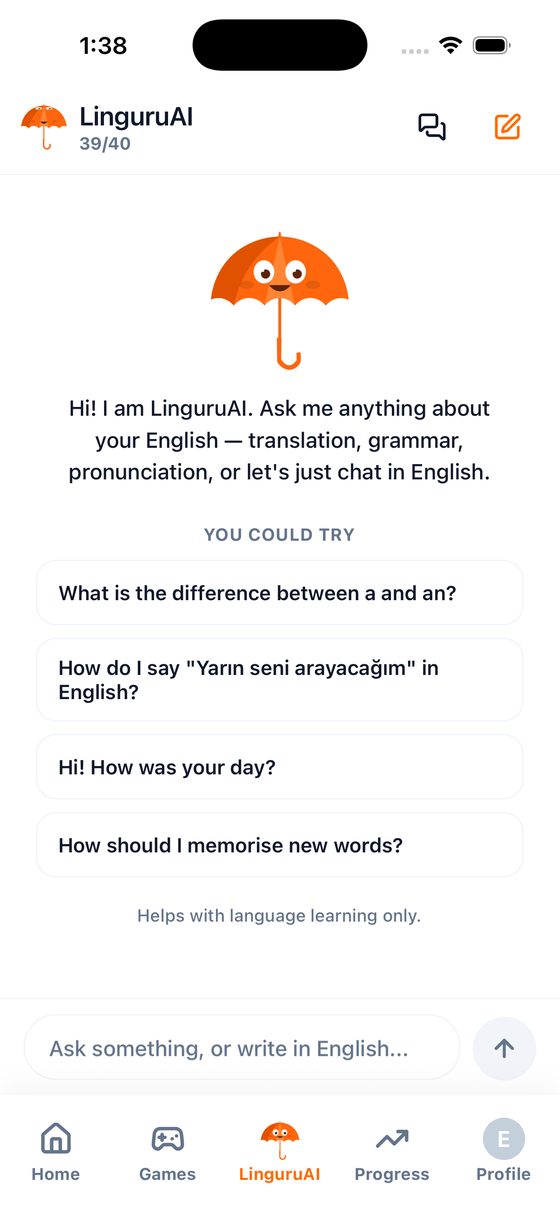
Read More →Placement test, practice with LinguruAI, flashcards and games — all in one app. Free.
Download on theApp StoreFor iPhone and iPad. The Android version is on the way.
Not sure where to start? Book a free trial lesson and let us help you find the perfect program.
Get Your Free Trial